English
 Türkçe
 Deutsch
 Русский

Alanya Hospital Fire Alarm System: Critical Infrastructure for Patient Safety
Hospitals are facilities that can house hundreds of people, sensitive medical equipment, and documentation. Fire risk is a concern in terms of disaster scenarios that can occur in emergency medicine, operating rooms, intensive care units, and patient rooms. the basis of life safety and business continuity This constitutes a legal obligation and an ethical responsibility for private and public hospitals in and around Alanya to comply with EN54/TSE standards for fire early warning and evacuation systems.
Netko Fire, as a specialist in fire detection and alarm systems for the Alanya region, has a deep understanding of the complex structure of hospital-type facilities, patient movement, medical equipment interference, and the need for 24/7 uninterrupted operation. In this article, we will examine the entire process of a hospital fire alarm system, from design and commissioning to maintenance and remote monitoring.
Why are Hospital Fire Alarm Systems Important?
Hospitals pose different risks than general office or residential buildings:
- High patient occupancy rate: Rapid patient evacuation can be challenging for physically disabled or immobile patients.
- Sensitive medical environment: False alarms or delayed warnings can disrupt patient treatment and device operation.
- 24/7 operation: The system must never be down; it must have uninterrupted monitoring.
- Multiple zone evacuation: Specialized areas such as operating rooms, ICUs, and laboratories follow different protocols.
- Legal compliance: Regulations on Fire Protection of Buildings and hospital-specific standards are mandatory.
Early fire detection, rapid evacuation, and immediate notification of authorities and the fire department reduce death, injury, and property damage. Since Alanya hospitals also accommodate domestic and international patients during the tourism season, the system design must be even more carefully considered.
Types of Hospital Fire Alarm Systems
Addressable Fire Detection Systems (Smart Systems)
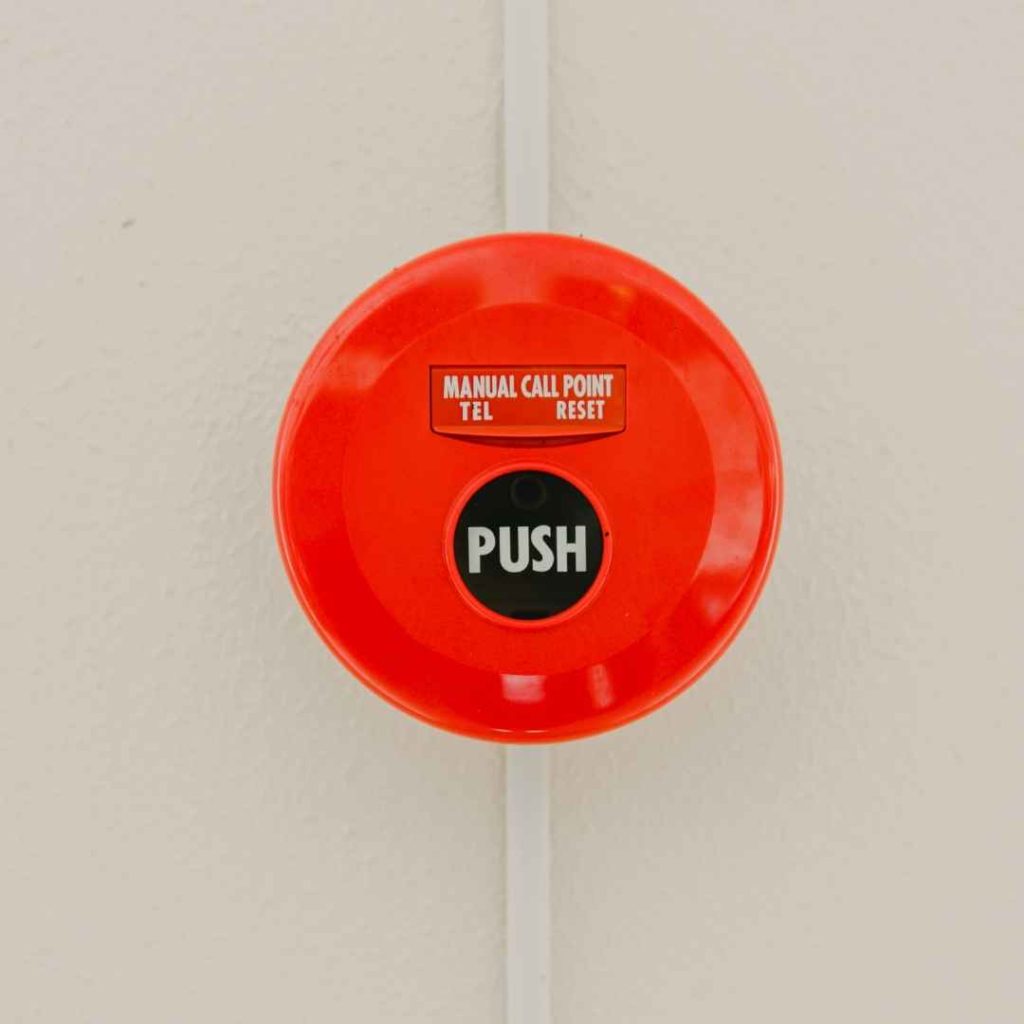
It offers a loop-based architecture where each detector and wet head is addressable, in accordance with EN54-2/EN54-4 standards. Suitable for every location, including patient rooms, operating theaters, medical storage areas, gardens, etc. multisensor detector It can be deployed. The system shows exactly where the fire risk is located — this allows hospital management and firefighters to confirm and initiate a response within seconds.
Advantages of an addressable system:
- The location of the fire is known with pixel precision (e.g., “5th floor, room 507”).
- False alarms are reduced — the detector type is identified and multiple confirmations are available.
- Zoom areas and protocols can be programmed via software.
- Map display allows staff to make quick decisions.
- Capacity expansion is low-cost in the future.
Conventional Fire Alarm Systems (Economical System)
In smaller hospitals, clinics, or auxiliary buildings, a zone-based conventional system may be suitable. Detectors are grouped for each zone (e.g., “Emergency Medicine Floor 2”); if a fire occurs, the zone name lights up on the panel. Commissioning is quick and initial costs are low. However, it lacks the flexibility and intelligence of an addressable system.
Hospital Fire Alarm System Design and Survey
Netko Fire provides comprehensive surveys and project planning for our hospital clients in Alanya:
- Risk analysis: The hospital plan defines patient types, treatment areas (kitchen, industrial laundry), storage, and laboratories.
- Detector placement: According to the EN54 standard, factors such as room type, air movement in the ceiling, and the presence of sprinklers are evaluated.
- Network design (Addressable system): Panel location, loop routing, cable cross-sections (voltage drop calculation), redundancy planning.
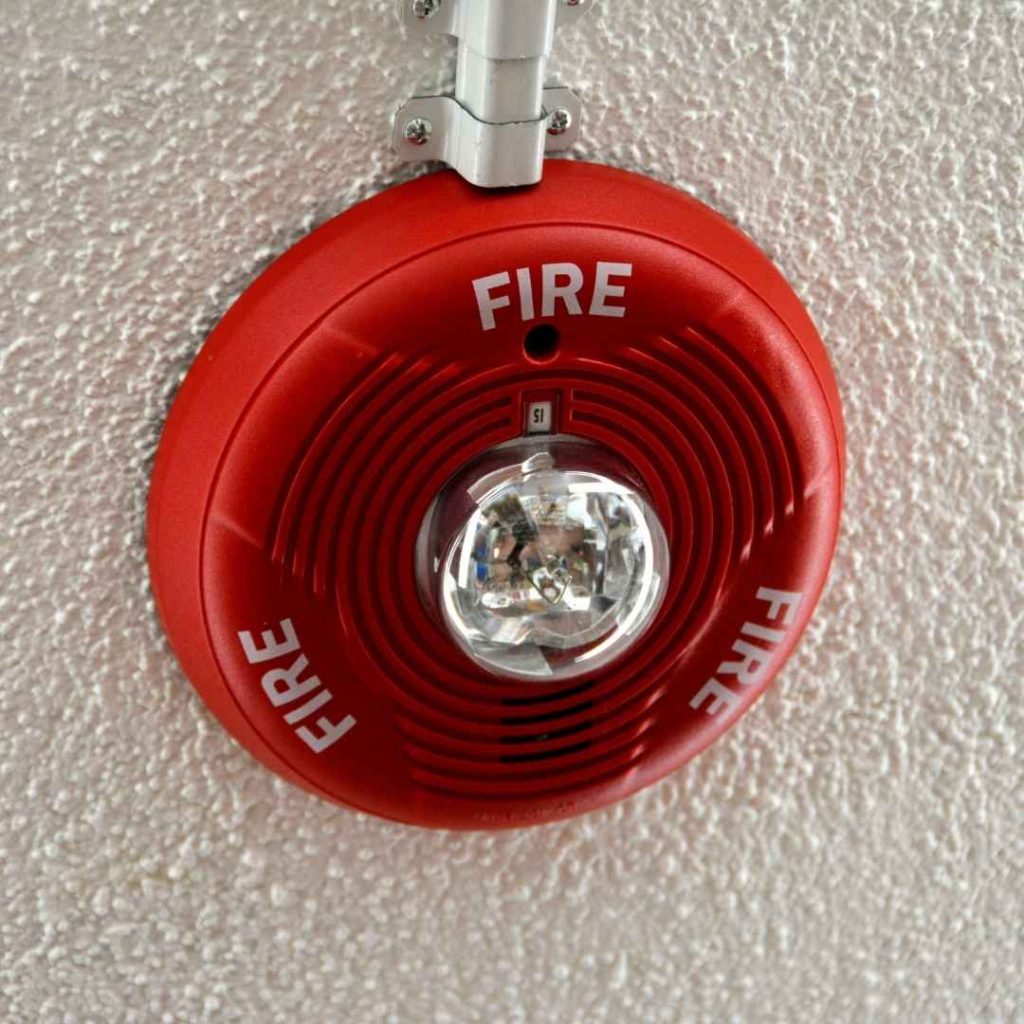
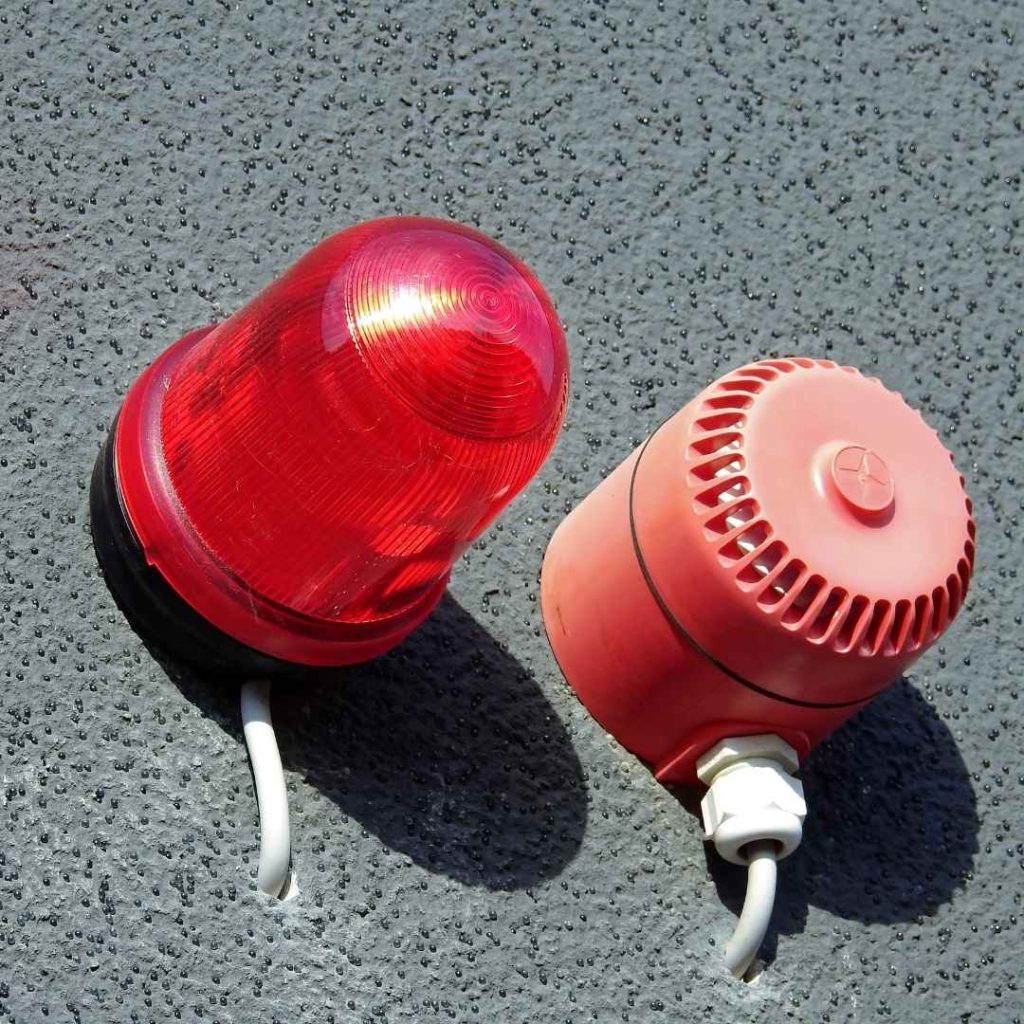
- Sirens and flashing lights: Acoustic and visual warning devicesIt extends to emergency exits and assembly points.
- Emergency lighting and signage: Evacuation routes, exit signs, and integration of emergency lighting.
- Technical specifications and proposal: Equipment lists, labor, commissioning, and maintenance packages become concrete.
Installation and Commissioning
Hospitals, uninterrupted operation Installation planning is delicate because of the requirements. Netko Fire team:
- It performs installations at night or during scheduled maintenance times.
- The old system and the new system are running in parallel to undergo capacity testing.
- All detectors are calibrated and tested (smoke/heat tests).
- Panel programming, siren/flasher settings, zones, and emergency scenarios are defined.
- Rapid training is provided for hospital staff and security personnel.
- Official approval (Hitman Certificate) is obtained; insurance and regulatory compliance are completed.
Periodic Maintenance and 24/7 Support
Hospital fire alarm system, after installation uninterrupted monitoring and maintenance required:
- Monthly audit: Panel LEDs, fault indicators, and wiring are checked.
- 3-month maintenance: The detector is cleaned, the siren is put into operation, and the battery is tested.
- 6-month calibration: Smoke detector And heat detectors are calibrated with a standard source.
- Annual full inspection: System test scenario, evacuation drill, logbook update.
- Remote monitoring (24/7): The panel connects to the Netko Fire center via the network; instant notification is received in case of malfunction or alarm.
- SLA intervention: A technician will be on site within the first 4 hours; 2 hours for critical malfunctions.
The hospital archives logbooks and maintenance reports — these documents are valid for regulatory audits and insurance claims.
Integration of Hospital Fire Alarm System
Modern hospitals must work in integrated fashion with other infrastructures such as BMS (Building Management System), CCTV, emergency announcement system and door control system. Netko Fire, Alanya fire safety systems In its design, it plans this integration from the outset:
- When a fire is detected, the door automatically opens or closes (phased fire evacuation scenario).
- The evacuation area is recorded on CCTV; it is reviewed later.
- The emergency announcement system broadcasts "evacuation instructions" or "gathering of the city's residents" throughout the hospital.
- The BMS can shut off the air conditioning and ventilation system (to reduce overall spread).
Regulatory Compliance and Standards
Hospitals operating in Alanya must comply with the following rules:
- EN54-2 and EN54-4: Fire detection and alarm systems.
- TSE Standards: Equipment and installation approved by the Turkish Standards Institute.
- CE Standard: Products compliant with European directives.
- Regulations on Fire Protection of Buildings: The hospital is classified as a "high-risk building".
- Ministry of Health Treatment Facilities Physical Space Standards: Additional hospital-specific conditions.
- Fire department instructions: Local fire department inspections and drills.
Netko Fire provides all necessary certifications and safety documents; the customer can operate the business without regulatory concerns.
Our Hospital Clients in Alanya
Netko Fire has installed and continues to maintain fire alarm systems for various healthcare facilities (private hospitals, clinics, medical centers) in the Alanya and Antalya regions. We offer solutions tailored to each hospital type and size. Alanya fire alarm consultancy We offer customized solutions within the scope of our service.
Communication and Next Steps
If you are a hospital, clinic, or healthcare facility manager in Alanya, contact Netko Fire to have your fire safety system evaluated. We offer free site surveys, technical reporting, and quotations.
- Telephone: +90 530 400 34 73
- Email: info@netkofire.com
- WhatsApp: +90 537 946 94 53
- Address: Keykubat Plaza, Kucukhasbahce, Keykubat Blvd. No: 97/1A, 07400 Alanya/Antalya
Moreover, From our Instagram page And From Facebook address You can view our completed projects and review our references. You can visit our location on the map.
Conclusion
A hospital fire alarm system should be no less important than medical equipment. Patient safety, operational continuity, and legal compliance are ensured by a system designed to EN54 standards, undergoing periodic maintenance, and monitored 24/7. If you are looking for a reliable, engineering-focused, and service-oriented fire safety expert in Alanya, Netko Fire We are here for you. Entrust your hospital fire alarm system to safe hands — get a quote today.