English
 Türkçe
 Deutsch
 Русский

What are Fire Regulations and Why are They Important?
Fire regulations are a set of technical rules, standards, and procedures established to minimize fire risks in a building, facility, or area and to prevent loss of life and property in the event of a fire. These regulations are not only mandatory but also form the fundamental framework ensuring the operational safety and legal compliance of the facility. Compliance with fire regulations is vital, especially in high-risk areas such as large commercial buildings, hotels, shopping malls, and hospitals, both for legal compliance and operational continuity.
Fire regulations cover a wide range of issues, from the adequacy of fire extinguishing equipment to the installation of early warning systems, the width of escape routes, and the selection of fire detection technologies. Complying with these regulations not only avoids criminal risks but also safeguards a business's reputation and the safety of its occupants.
Key Indicators to Monitor Under Fire Regulations
Determining whether a facility complies with fire regulations isn't simply a matter of filling out a checklist; it requires measuring the performance of systems, the accuracy of the design, and the effectiveness of maintenance processes. As expert fire detection system installers, we conduct this measurement using several critical indicators.
1. Alarm and Detection System Capacity and Type
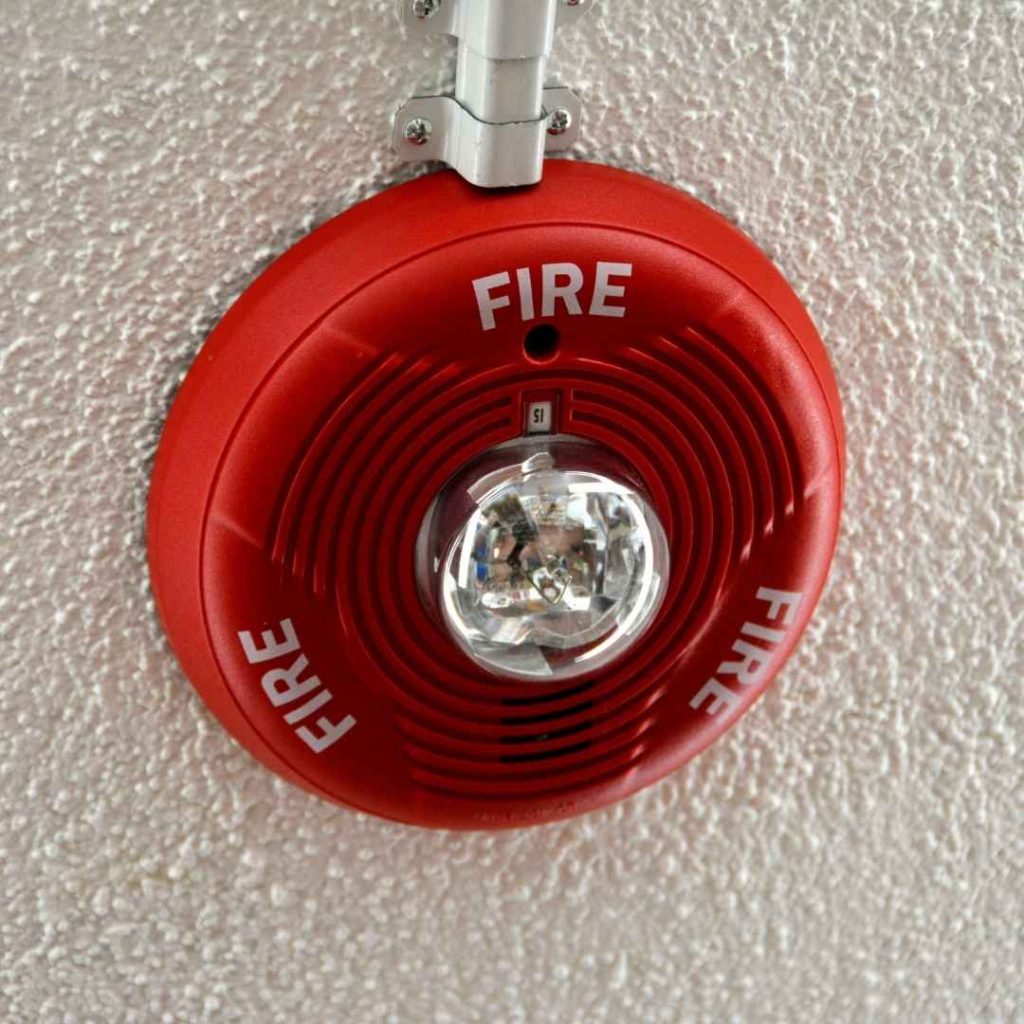
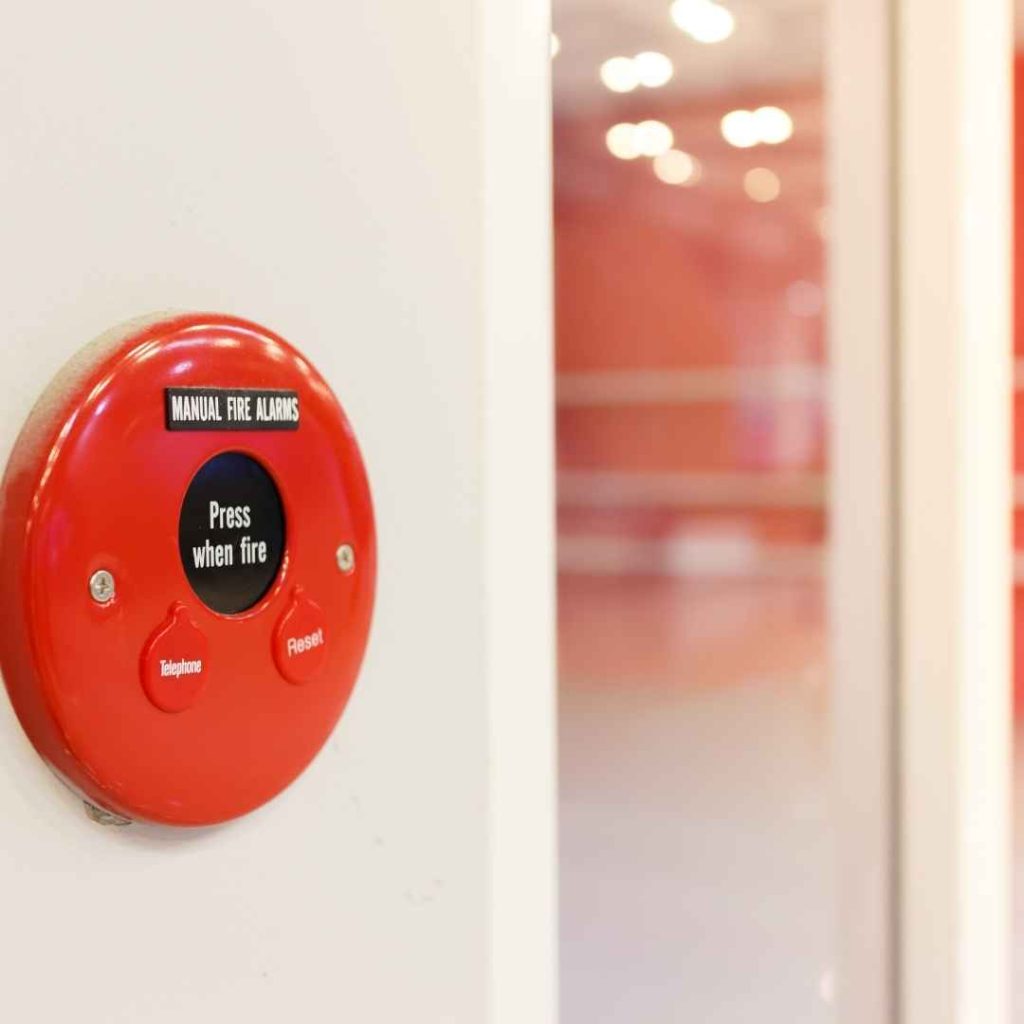
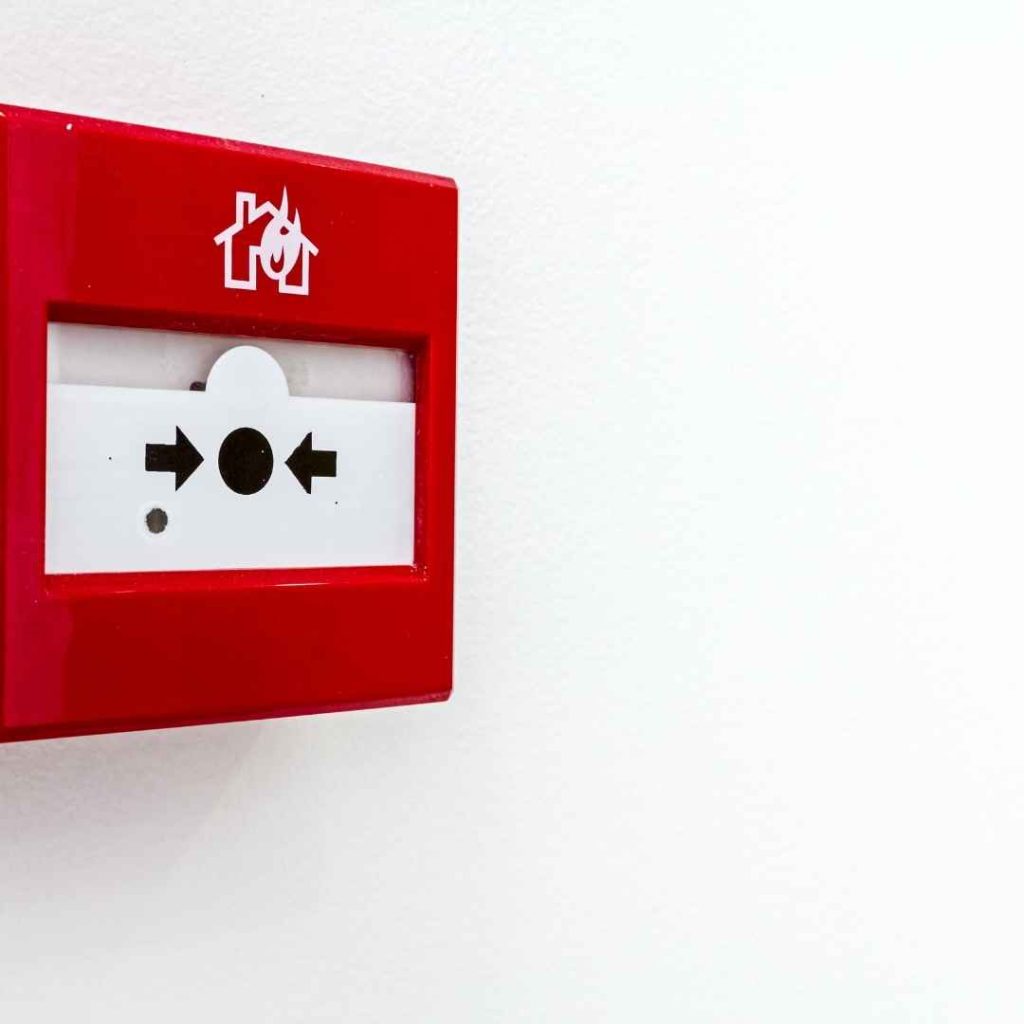
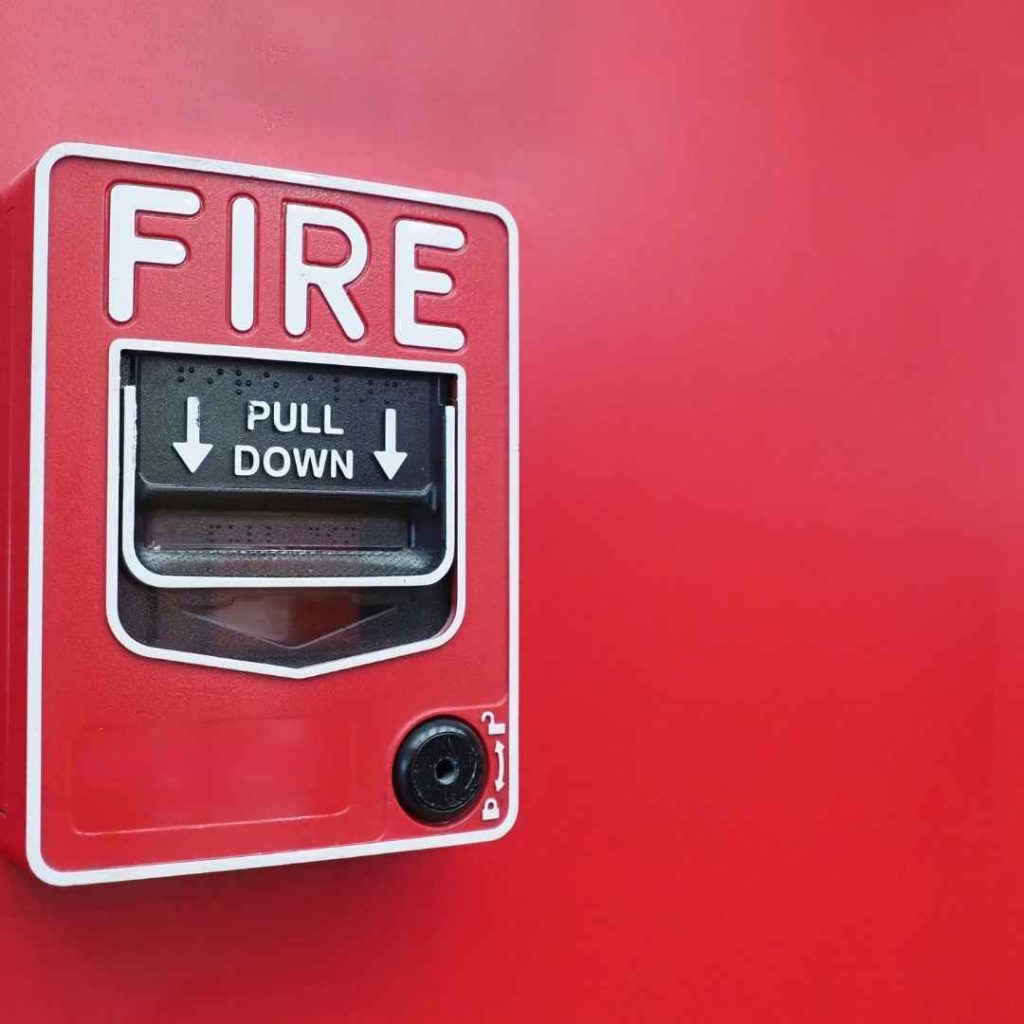
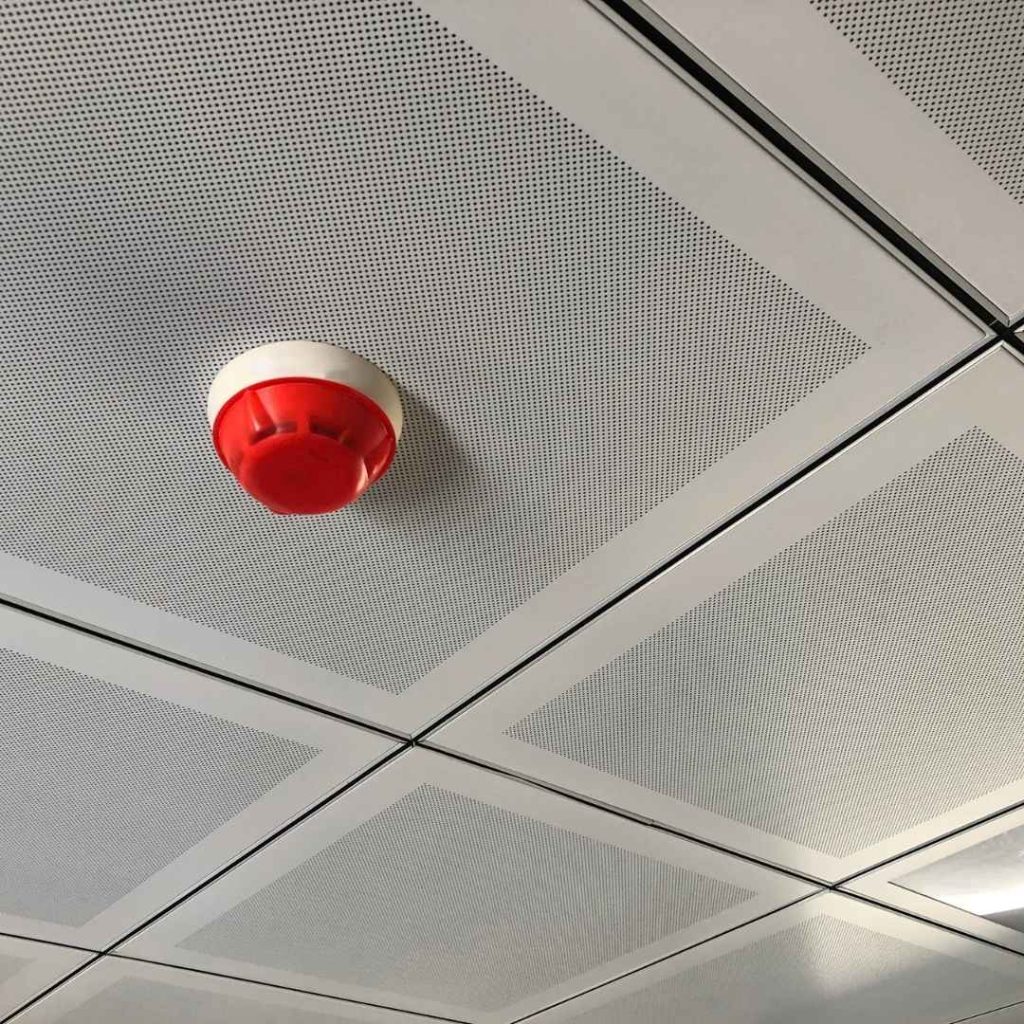
Regulations determine the required type of fire detection system (conventional, addressable, loop-based, etc.) based on the size and risk class of the facility. During the measurement process, it is checked whether the system is suitable for the physical structure of the facility (materials, volume, zoning). For example, are the sensitive detection zones required for a hotel correctly defined? This is related not only to the number of devices but also to the zoning logic of the system.
In more advanced solutions, such as addressable systems, it is crucial to thoroughly examine whether each room or zone is monitored independently and whether this data is processed correctly on the central panel. This ensures timely intervention at critical moments when early warning periods are essential.
2. Escape Routes and Evacuation Capacity
One of the most fundamental elements of fire regulations is ensuring the safe evacuation of personnel in the event of a fire. This is not limited to the correct placement of fire signs; physical considerations such as corridor widths, the fire resistance of doors, and the unobstructed nature of evacuation routes are also included in the regulations.
During the measurement process, it is assessed whether the determined evacuation capacity is sufficient for the maximum number of people in the facility. This process is not just an engineering calculation, but a holistic risk analysis requiring the participation of facility management. You can benefit from our survey and design services for detailed calculations and technical specification preparation.
3. Checking Periodic Maintenance and Test Records
The performance of a fire protection system is maintained not after installation, but through continuous maintenance. The most concrete indicator of compliance with regulations is the complete keeping of periodic maintenance records. These records include technical data such as detector calibrations, battery tests, continuous system operation, and logbook entries.
Our 24/7 fault reporting hotline for continuous monitoring and proactive management is a critical measure, ensuring that any potential problem is detected immediately and addressed quickly with SLA assurance. Transparency in this process is one of the most important factors for facility managers to build trust.
End-to-End Fire Safety Solutions in Alanya and Surrounding Areas
Different building types in the Alanya and Antalya region, such as hotels, residences, and industrial facilities, have different fire regulation requirements. At Netko Fire, we specialize in understanding this complex regulatory framework and providing the most suitable solution tailored to your facility. Our approach is not simply to sell equipment, but to conduct a risk analysis and provide you with an end-to-end solution that fully complies with EN54/TSE/CE standards.
Proper planning is essential when transitioning from conventional to addressable systems or when increasing existing capacity. For example, if you want to increase the capacity of an existing system, Increasing fire alarm capacity in Alanya. Our guide will help you. You can also review our up-to-date guidelines on the mounting height and safety of fire detection devices.
Preparing for the Future Through Modernization and Integration
It's not enough to simply comply with current regulations; it's also necessary to prepare for future risks. Modernization can mean transitioning from a conventional system to an addressable and integrated system. In this process, integrating fire detection systems with security (CCTV) and other low-voltage infrastructure (BMS) elevates the overall safety management of the facility to a higher level. This integration is not only a technical requirement but also increases operational efficiency.
To keep your systems up-to-date and maintain their continuous performance, you should take advantage of our regular periodic maintenance services. This meticulous approach not only ensures your facility's fire safety complies with regulations but also establishes a consistent standard of operational excellence.
Conclusion: The Foundation of a Safe Environment
Fire regulation assessment is a dynamic process requiring a blend of technical expertise, regulatory knowledge, and continuous monitoring. A successful assessment is not just compliance on paper, but also provides tangible data demonstrating your facility's readiness at all times. With our extensive experience in Alanya, ranging from hotels to industrial facilities, we are committed to providing you with the most reliable support throughout the entire process, from risk analysis to installation, commissioning, and periodic maintenance. Fire safety requires a proactive investment; managing this investment with the right steps ensures both compliance with legal requirements and maximizes the continuity of your business. For detailed technical consultation and solution proposals, please contact us.